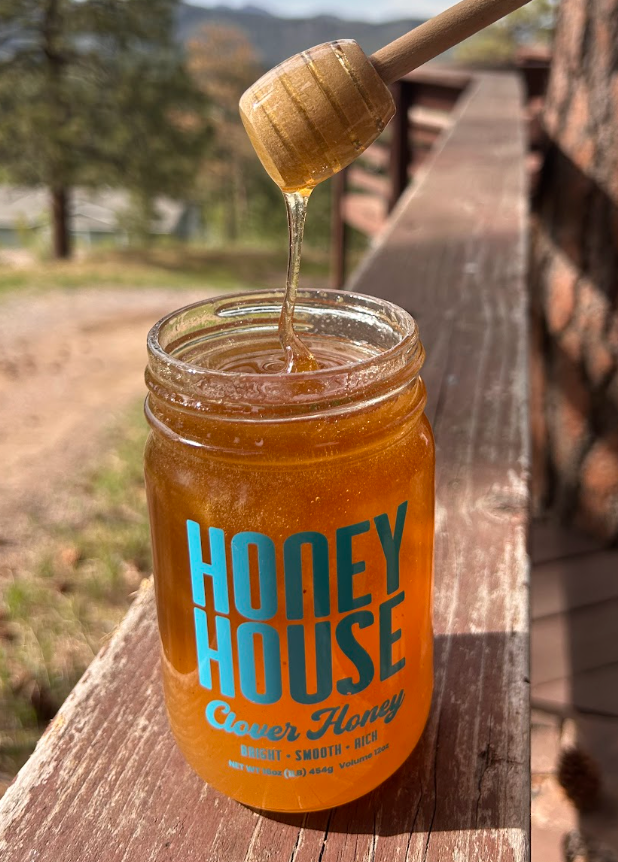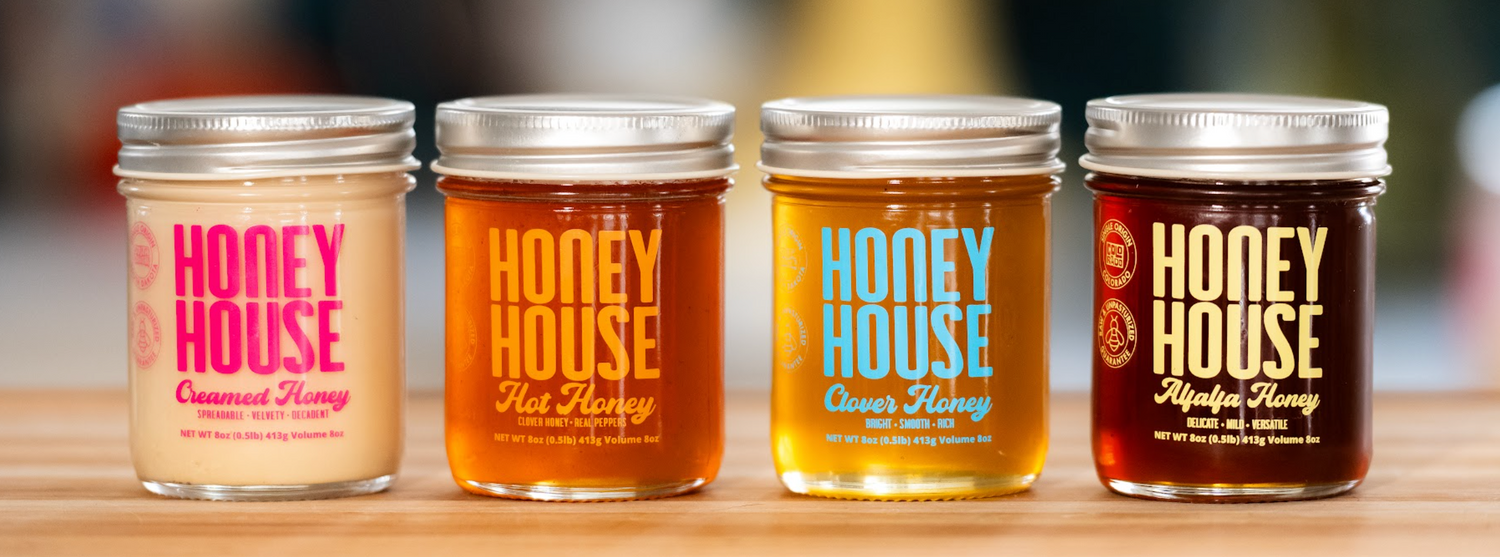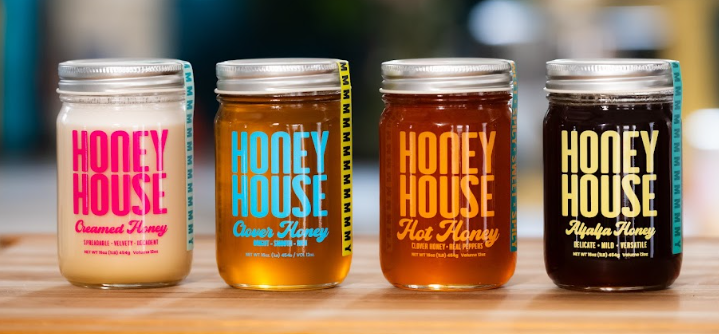

It's a fair question. You care about what you put in your body, you look for the organic label, and then you notice ours doesn't have one. So what gives?
The answer isn't what most people expect — and once you hear it, it might actually make you trust your honey more, not less.
Bees Don't Follow Rules
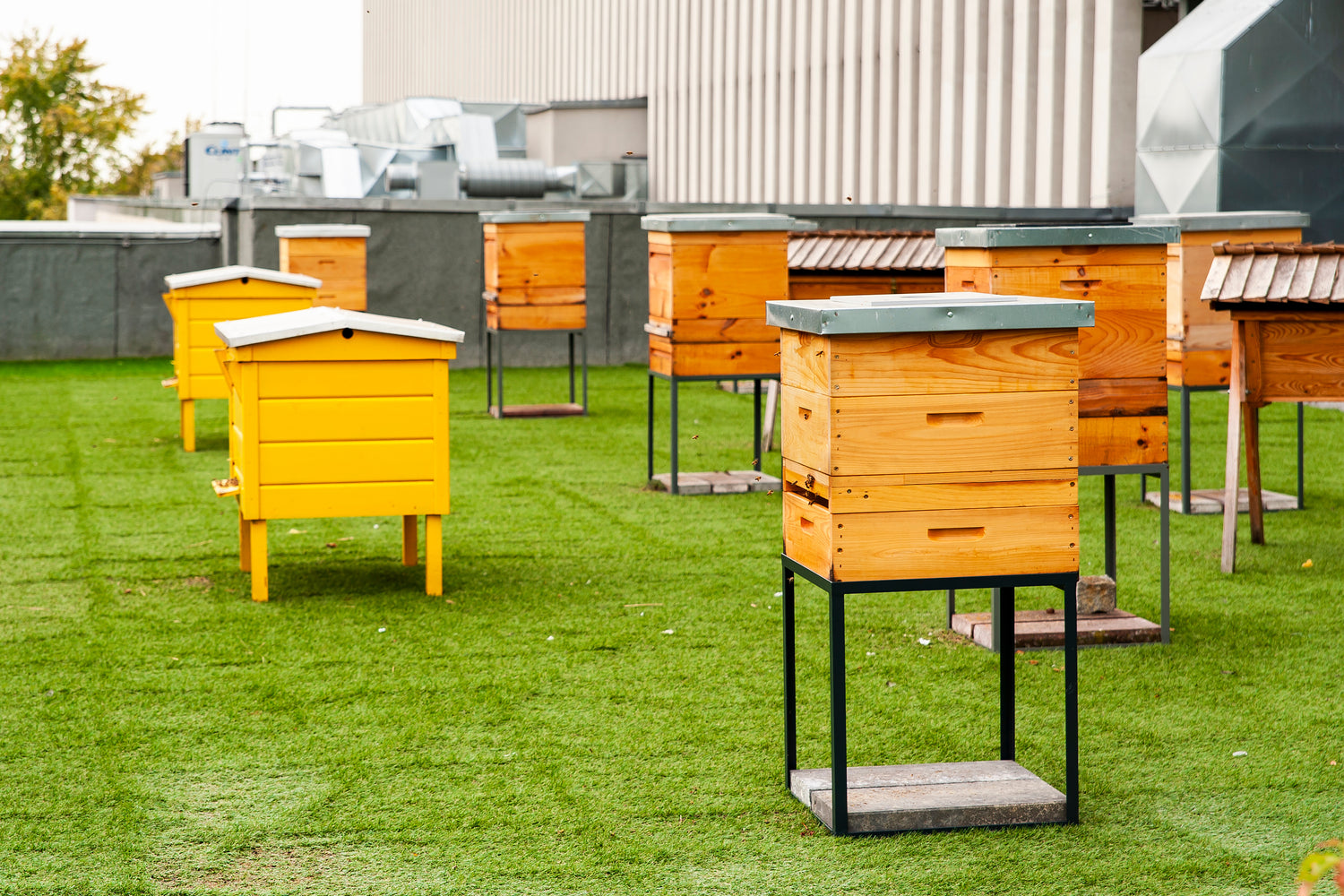
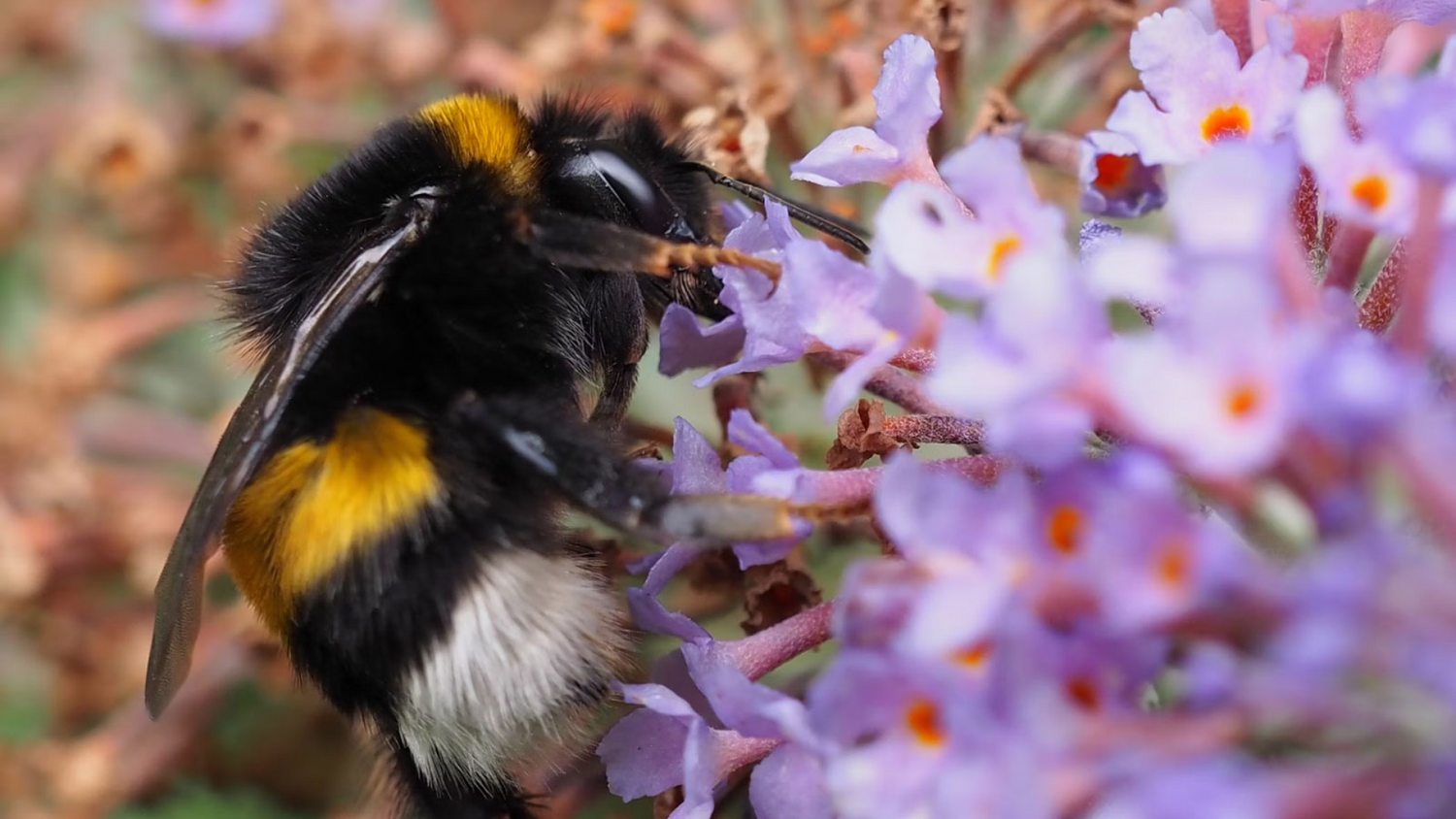
Here's the thing about honeybees: they're free spirits. A single bee can fly up to five miles from the hive in any direction, visiting thousands of flowers in a single day. You can manage a hive with love and care, keep it chemical-free, and feed the bees nothing but the best — but you cannot tell them where to go.
For honey to qualify for USDA organic certification in the United States, every flower, field, and farm within roughly a two-mile radius of the hive must be completely free of synthetic pesticides, herbicides, and GMO crops. That's a circle covering over 32,000 acres of land that would need to be verified and certified — land the beekeeper doesn't own and can't control.
In most of the US, that's simply not possible. A neighbor's lawn, a conventional farm down the road, a roadside treated with herbicide — any of these can put a hive outside the bounds of organic certification, through no fault of the beekeeper.
So Who Does Have "Organic" Honey?
Mostly? Other countries. Because the USDA organic standard for honey is so difficult to meet domestically, nearly all USDA-certified organic honey sold in the US is imported — from places like Brazil, Mexico, and India, where vast stretches of undeveloped land make the foraging radius requirement achievable.
That means the "organic" label on a honey jar is less about the quality of the honey and more about the geography of where it was made. A small American beekeeper doing everything right — using no chemicals, keeping healthy hives, harvesting with care — can't earn that label simply because their bees might fly over a conventional cornfield.
What We Can Promise You
We can't control every flower our bees visit. But here's what we can stand behind:
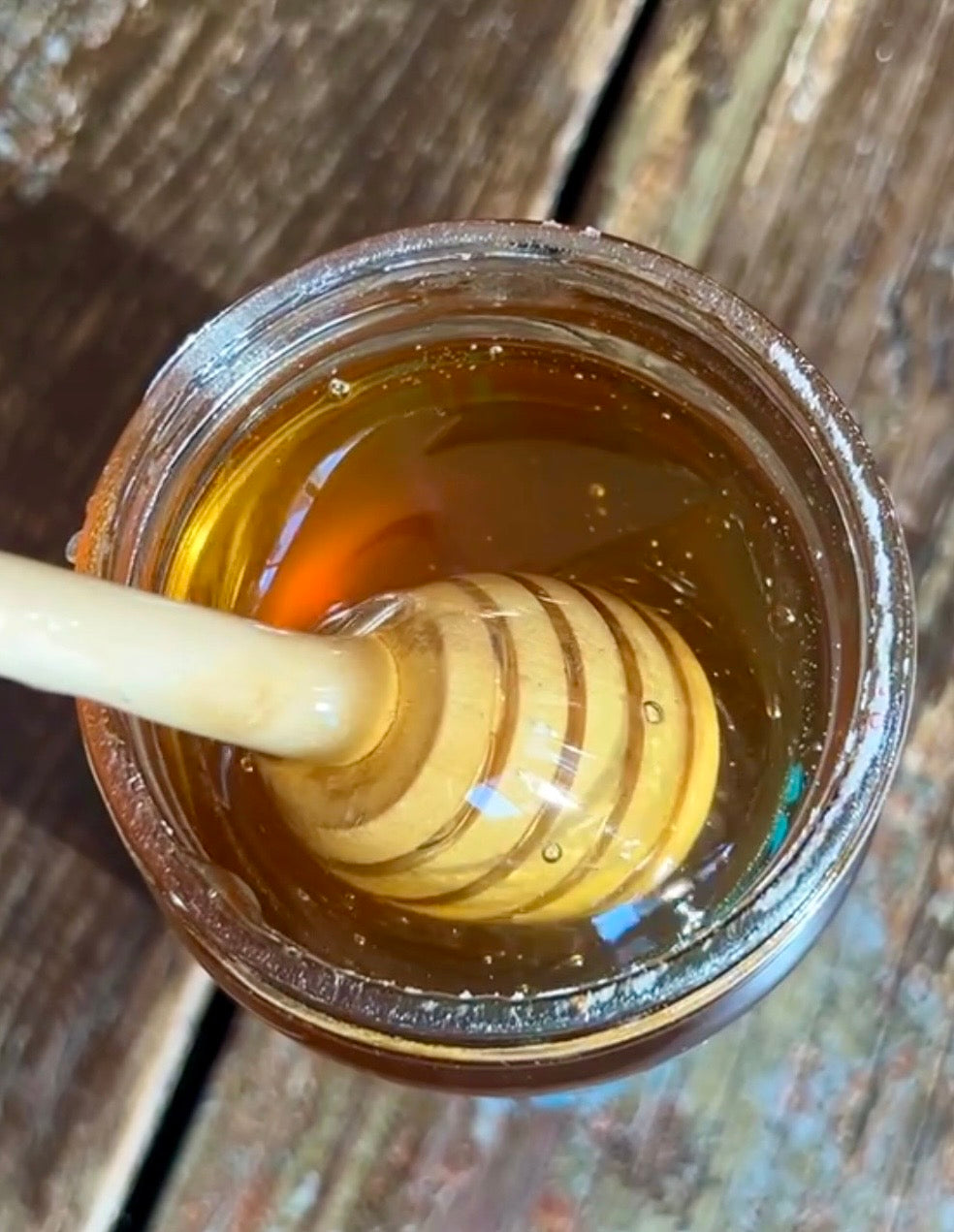
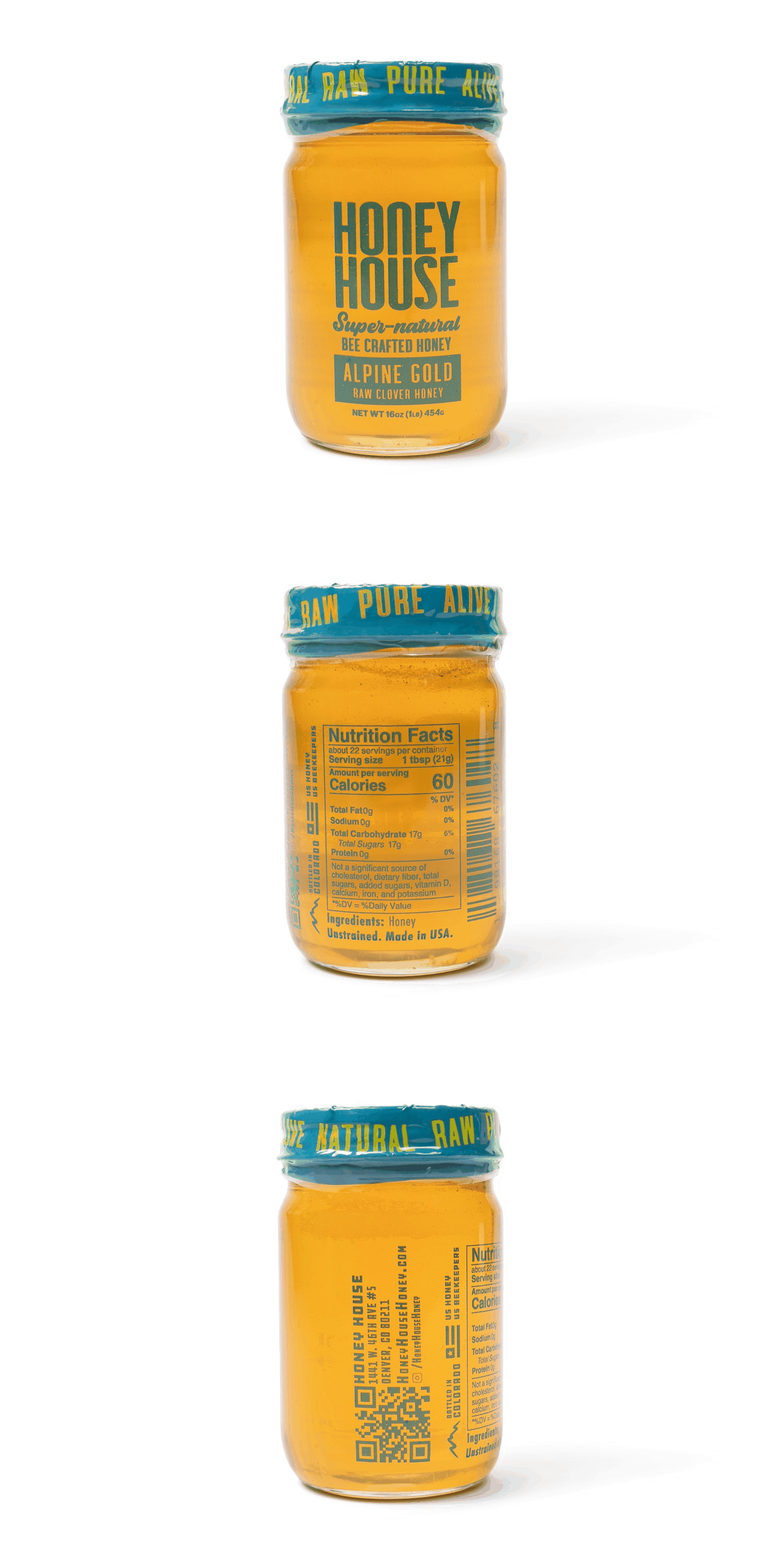
Our honey is raw — never heated, so the natural enzymes, antioxidants, and beneficial properties stay intact.
It's unfiltered — meaning the pollen, propolis, and everything else the bees put in stays in.
It's unpasteurized — exactly as nature made it, just moved from the hive to your jar.
No additives, no shortcuts, and no compromise on quality.
The organic label was designed to help people find food they can trust. We think the best way to earn your trust is to be transparent about exactly what our honey is — and let it speak for itself.