
Honey seems simple enough. Bees make it, we bottle it, you enjoy it. But the truth is, honey is one of the most commonly adulterated foods on the market — and the scope of the problem might surprise you.
Studies have found that roughly 76% of honey sold in U.S. grocery stores has been adulterated or processed to the point where it no longer meets the standards of real honey. That means there's a good chance the honey in your pantry right now isn't quite what you think it is.
What Does "Adulterated" Honey Actually Mean?
When we say honey is adulterated, we mean it's been tampered with in some way — usually to cut costs and boost profits. This can look like a few different things:
Dilution with cheap syrups. This is the most common method. Manufacturers blend honey with cheaper sweeteners like rice syrup, corn syrup, or inverted sugar to stretch their supply while keeping prices (and their margins) high.
Harvesting honey too early. Bees naturally reduce the moisture content of honey before it's ready. When producers harvest it before that process is complete, the result is a watery, lower-quality product that doesn't have the characteristics of properly ripened honey.
Over-filtering. Some processing strips honey of its pollen and other natural components. Without pollen, there's no way to trace where the honey actually came from — which can be a convenient way to disguise low-quality or questionable imports.
Blending and mislabeling. Some companies mix a small amount of premium honey with a larger quantity of inferior product and slap the premium label on the jar. You think you're getting a single-source varietal, but you're really getting a blend designed to deceive.
Artificial flavors and colors. In some cases, fake honey is dressed up with additives to mimic the look and taste of the real thing.
The bottom line? Adulterated honey strips away the health benefits, the complex flavors, and the authenticity that make real honey special — while charging you full price.
Those At-Home Honey Tests? They Don't Really Work.
You may have seen videos or articles claiming you can test your honey at home to find out if it's real. Unfortunately, most of these tests are unreliable at best and dangerous at worst.
The water test suggests that pure honey won't dissolve in water. In reality, many adulterants can be formulated to behave the same way, so this test doesn't tell you much.
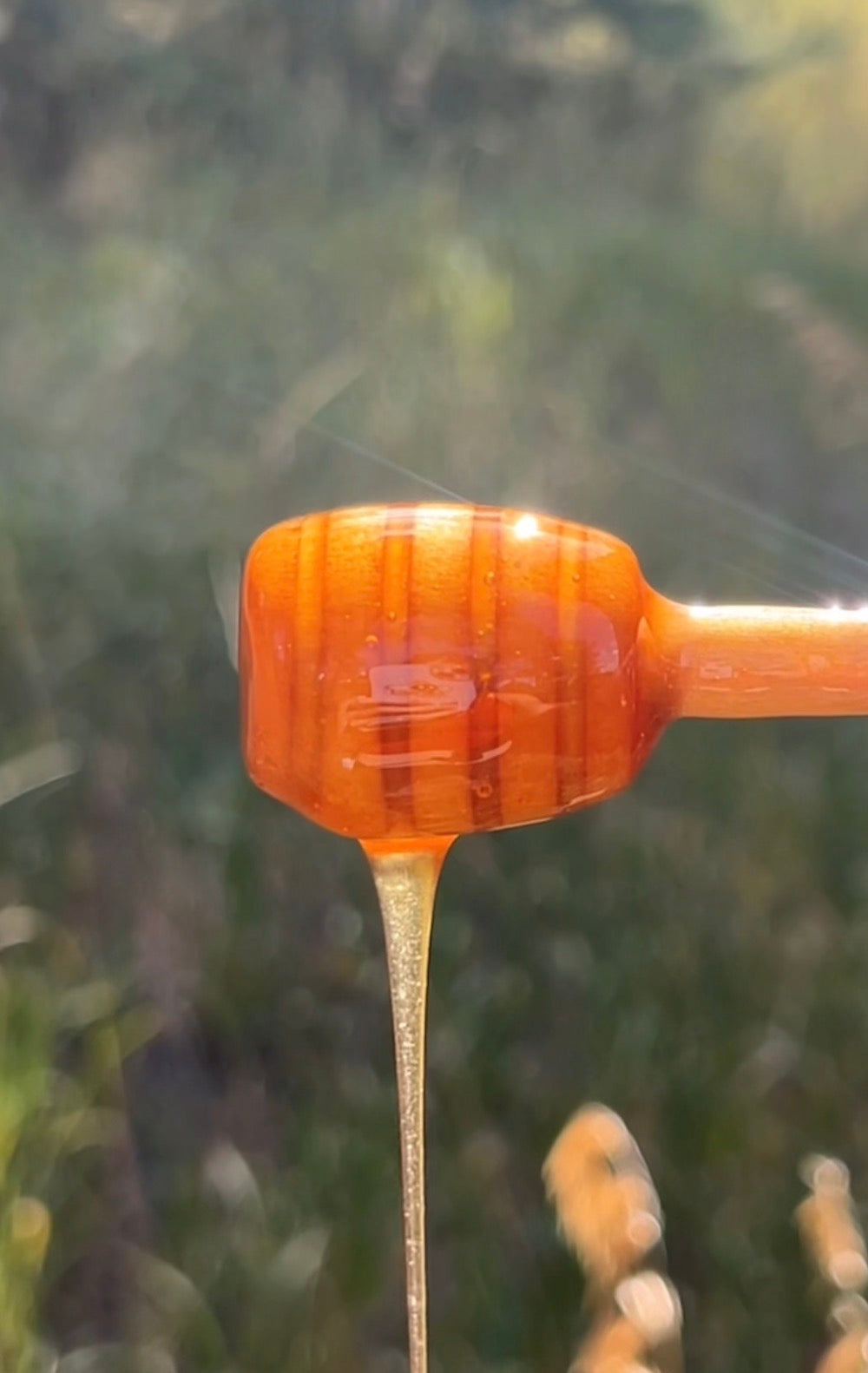
The thumb test claims that real honey will hold its shape on your thumb rather than dripping off. But thickness can easily be manufactured — a syrup can be just as viscous as honey.
The ant test is based on the idea that ants will avoid real honey. This one is simply a myth. Ants are attracted to all sweet substances, pure honey included.
The flame test says real honey will burn when exposed to a match. While honey can technically burn under the right conditions, this test is unreliable (results depend heavily on moisture content) and, frankly, not worth the safety risk.
The reality is that detecting adulterated honey requires lab-level testing. There's no quick trick you can do at your kitchen counter to know for sure.
So How Can You Tell the Difference?
While you can't run a reliable test at home, there are some things to look for that point toward the real deal:
Natural crystallization. Real honey — especially raw honey — will crystallize over time. That's not a sign that something is wrong. It's actually a sign that something is right. If your honey stays perfectly smooth and syrupy forever, that could be a red flag.
Visible imperfections. Unfiltered honey often contains small bits of honeycomb, propolis, or pollen. These aren't flaws — they're signs of a natural, minimally processed product.
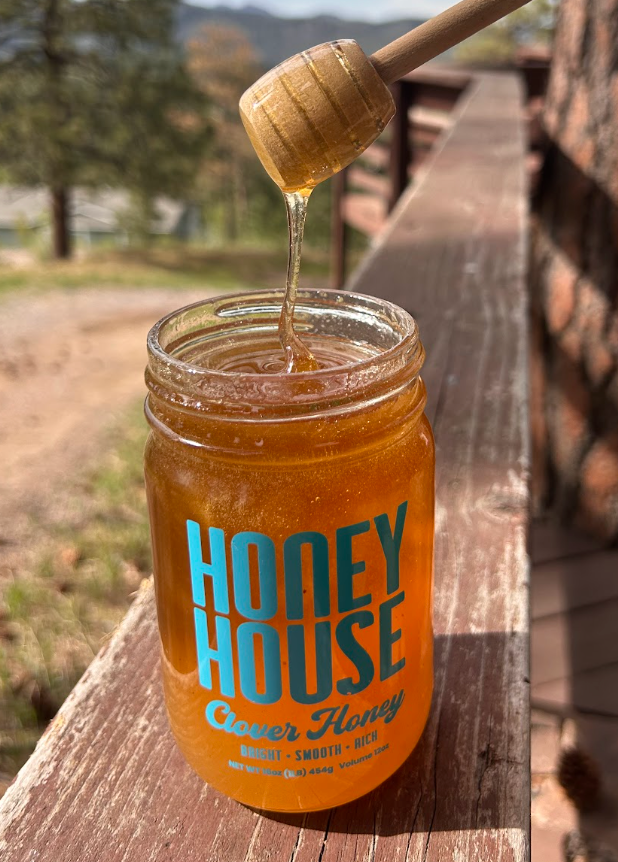
Traceability. Knowing where your honey comes from matters. At Honey House, we've added state of origin markers to our jars, so you can see exactly where your honey was sourced. Your Clover honey? That's from South Dakota. That kind of transparency is something adulterated honey simply can't offer.
A complex, distinctive flavor. Real honey has nuance. It tastes like something specific — the flowers the bees visited, the region it came from. Compare our Clover to our Alfalfa, for example, and you'll notice completely different flavor profiles. Fake honey? It just tastes sweet. That's it.
One more thing worth knowing: even honey labeled "Pure Honey" can contain undeclared sweeteners, particularly when it's imported from outside the United States. The label alone isn't always enough.
The Honey House Difference
We started Honey House because we believe honey should be exactly what it says it is — nothing more, nothing less. We source our honey from reliable American beekeepers, and we never cut it with syrups or additives. What you get in every jar is pure, honest, flavorful honey with a character all its own.
In a market full of shortcuts and fine print, we think that's something worth holding onto.