 Every farmers market has one: a folding table, a hand-lettered sign, jars of amber honey stacked in rows — “Local Honey.” You grab one without thinking twice. Local means better, right?
Not automatically. “Local” tells you where a jar sat on a map. It doesn't tell you what's actually in it.
There's no rulebook for “local”
Here's the part that surprises people: “local honey” isn't a regulated term. No federal standard defines it, and only a handful of states — Connecticut, Maine, New Jersey, New Hampshire, Vermont — have real rules for what counts as “local” on a food label. Everywhere else, a jar can say “local” whether it came from a hive three miles away or got blended from honey trucked in from three states over. The label alone doesn't prove anything.
The allergy claim doesn't hold up the way people think
The most common reason people reach for local honey is allergies — the idea that a spoonful a day builds up a tolerance to whatever pollen is making you miserable every spring. It's a nice theory. The research doesn't back it up. A widely cited University of Connecticut study put local honey, honey from somewhere else, and a placebo side by side — all three groups improved by about the same amount. There's also a mismatch in how allergies actually work: hay fever usually comes from wind-pollinated plants like grass and ragweed, while bees are out working flowers. Most of the pollen making you sneeze never ends up in the jar to begin with.
Local isn't the real question
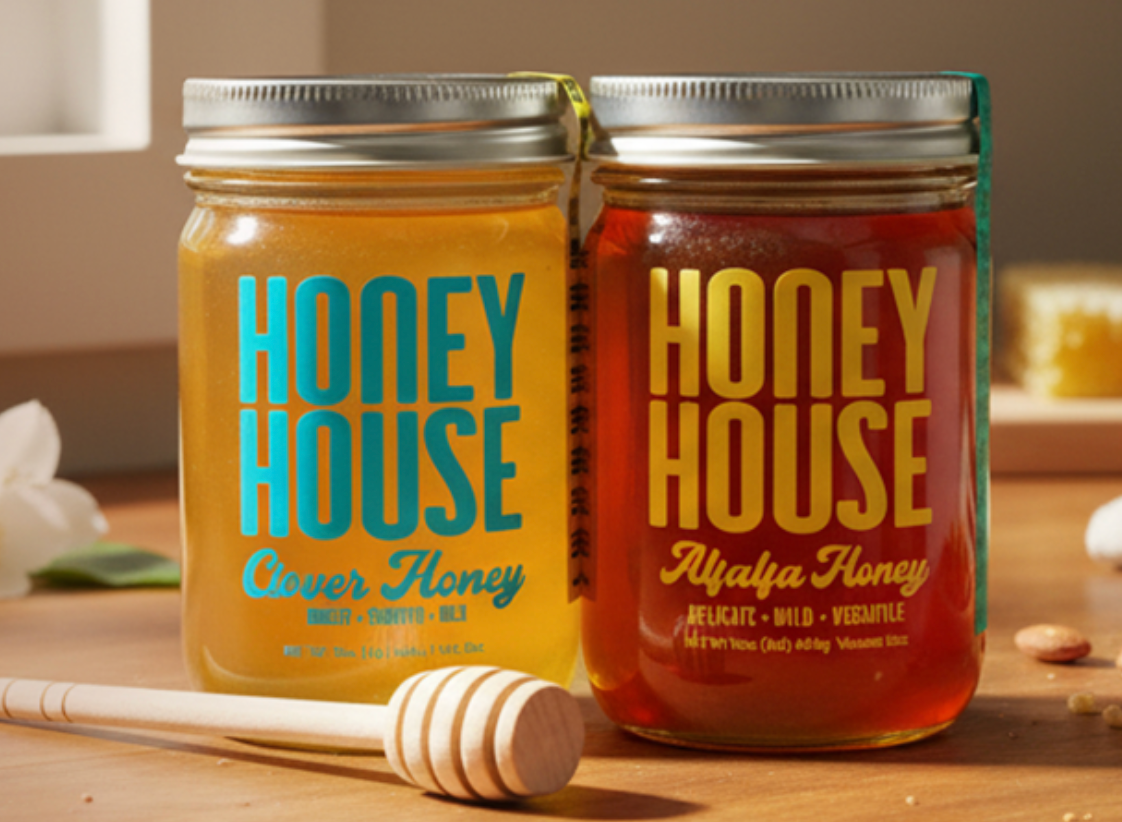
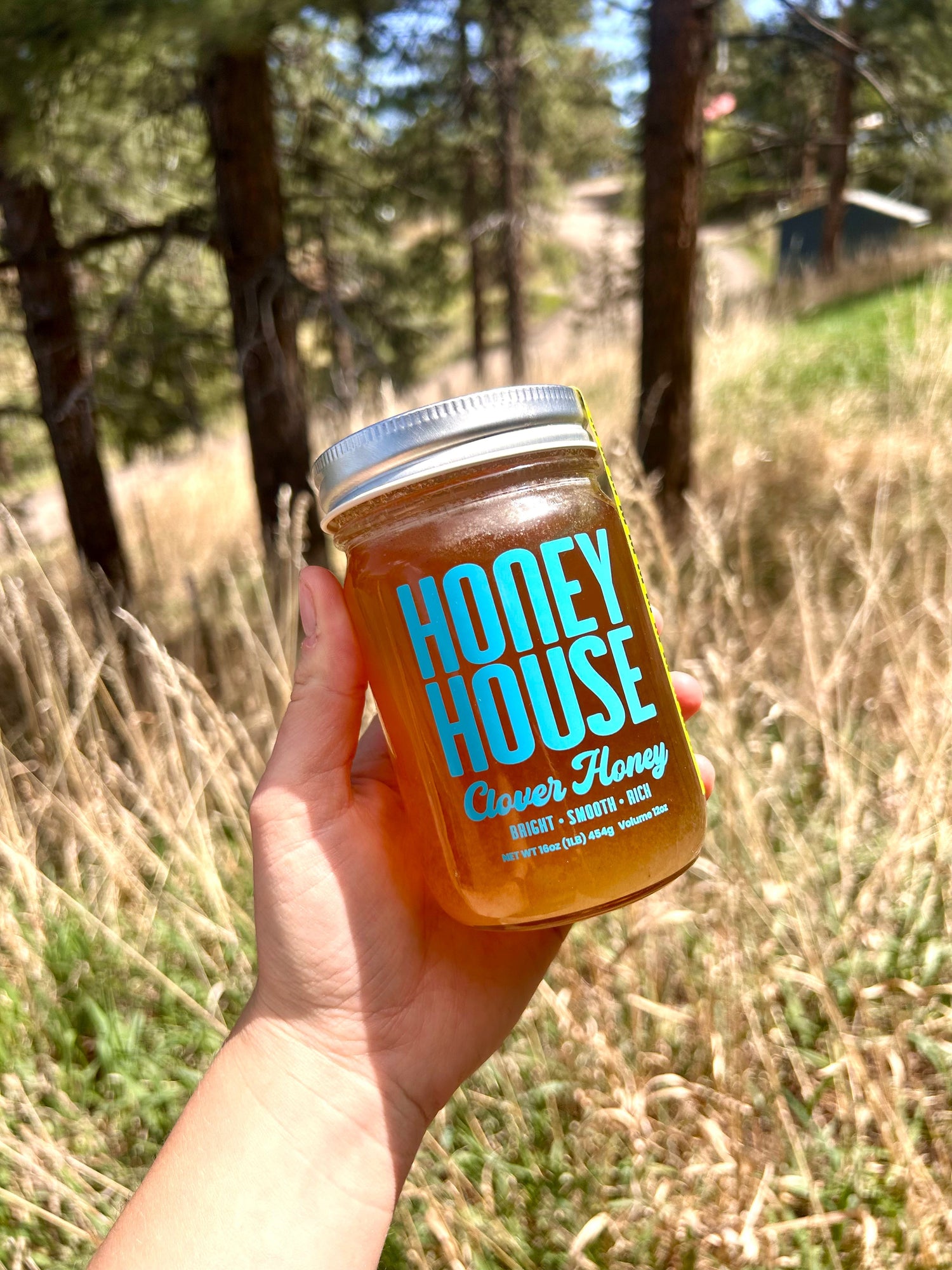
The question worth asking isn't “is this honey local?” It's “do I actually know where this honey came from, and how it was handled?” A jar trucked in from three states away, pulled cold from a single alfalfa field and never heated, can tell you more about its origin than a jar labeled “local” that got blended in a warehouse down the road. That's the whole premise behind the Hunt: we go find apiaries — Colorado alfalfa, clover a few states over — running small, honest operations, and we tell you exactly where each jar came from. Sometimes that's local to you. Sometimes it's not. Either way, you know.
Close doesn't make honey honest. Traceable does.