What Do the Different Colors and Flavors of Honey Mean?
Most people's mental picture of honey is a squeeze bottle: golden-amber, sweet, and basically the same every time. That's honey doing an impression of itself. Real honey ranges from nearly clear to almost molasses-dark, and from delicate to bold, all depending on one thing — what flowers the bees were visiting when they made it.
It Comes Down to the Flowers
Every floral source gives honey a slightly different mineral content and sugar composition, and that's what determines both color and flavor — not any human decision made after the fact. The USDA actually grades honey color on a set scale, from Water White through Dark Amber, based on how much light passes through it. As a rule of thumb, lighter honeys tend to taste milder and more floral, while darker honeys tend to be bolder and more robust — though, like most rules of thumb, there are plenty of exceptions.

Meet a Few of the Varieties
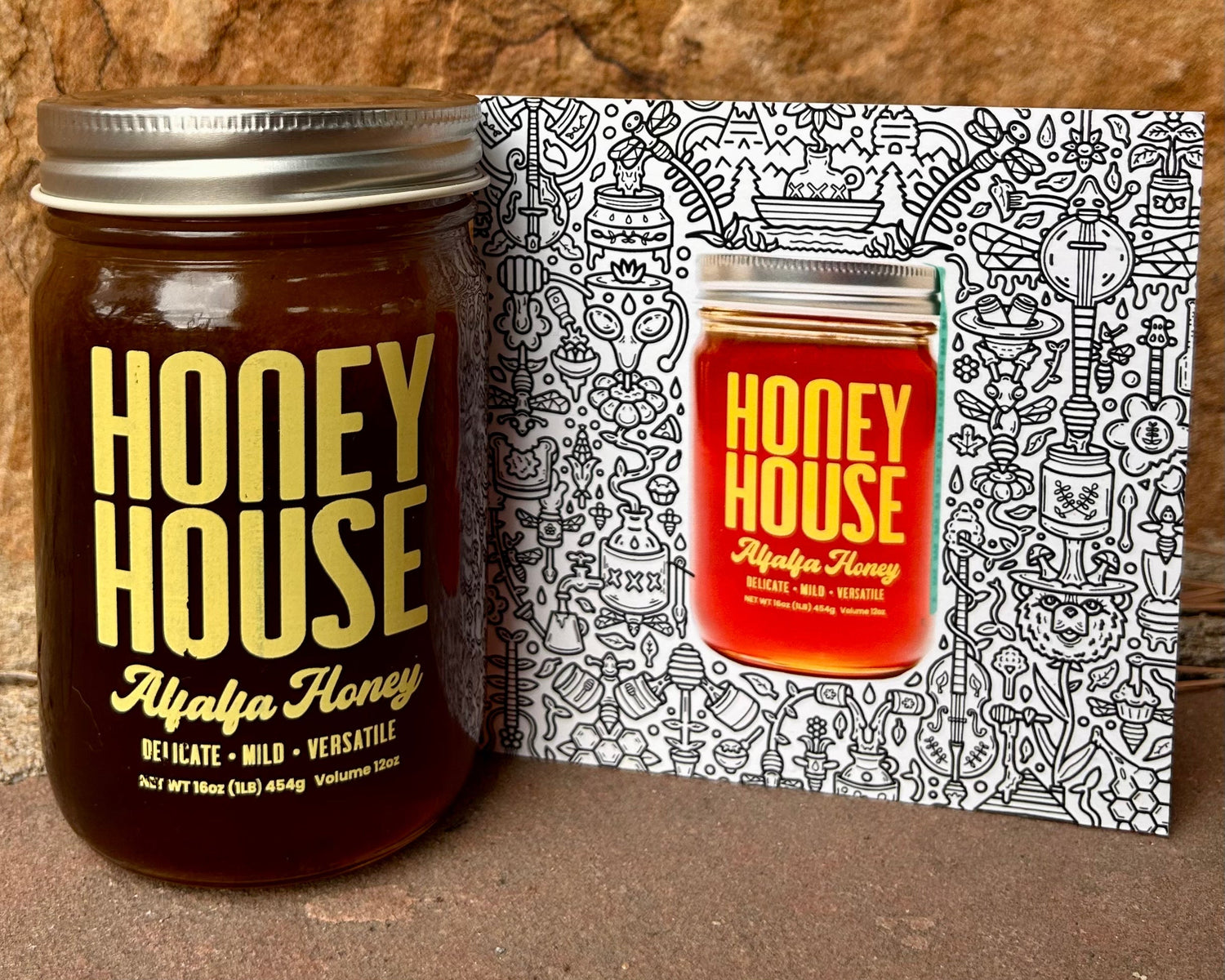
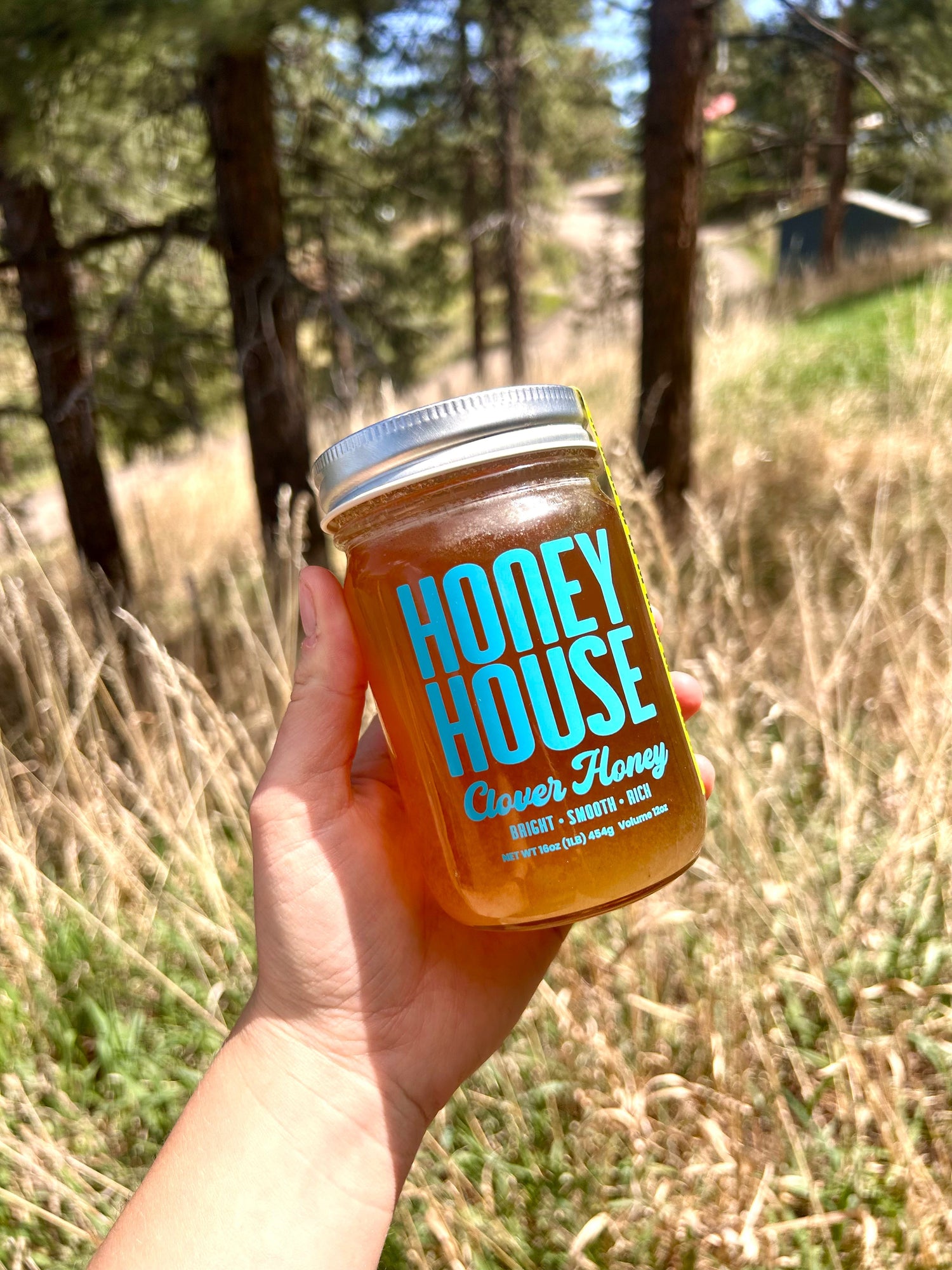
Our Clover Honey sits on the lighter end — mild, clean, and floral, though clover honey's exact shade shifts depending on the region it's harvested from. Alfalfa Honey is similarly light, but smoother and subtly grassy, with a faint hint of vanilla. Both are easy, everyday honeys that play well with just about anything.
Coming soon as limited harvests, we're adding a few varieties that show just how far the range goes. Fireweed Honey, from the wild plant that colonizes recently burned land in the Pacific Northwest and Alaska, is pale and buttery with a delicate sweetness. Star Thistle Honey, harvested from wild thistle in Northern California, is crisp and almost candy-like — some describe it as tasting faintly of banana. And Tupelo Honey, one of the rarest honeys in the country, comes from white tupelo trees that bloom for only a few weeks a year along Florida and Georgia's river basins; it's prized for a buttery, cinnamon-like flavor and for barely crystallizing at all.
Is Darker Honey Better for You?
Short answer: sort of — but not for the reason you'd think.
Darker honeys do tend to test higher for antioxidants and minerals. In one well-known study, dark buckwheat honey measured about 20 times higher in antioxidants than light sage honey, with clover landing somewhere in the middle.
But color itself isn't what's doing the work — it's just a visual clue about which flowers the honey came from. The plant, not the shade, is what matters.
That's also why the rule breaks down: Manuka honey is only medium-colored, but it's valued for entirely different compounds that have nothing to do with color at all.
Bottom line: which flower it came from matters more than what color it is. And any extra antioxidants in honey are a nice bonus — not a reason to treat it like medicine.
So What's Actually in the Honey Bear?
Most mass-market honey is a blend — combined across regions, harvests, and sometimes countries, specifically to land on the same predictable color and flavor every single time. That consistency is the point: a supermarket bear is engineered to taste the same in July as it does in December. It's not a bad product, but it's also not really representative of honey as a category. The National Honey Board recognizes more than 300 distinct floral honey varietals in the U.S. alone, each shaped by whatever was blooming nearby. The honey bear captures approximately one of those.
At Honey House, we'd rather you taste the actual range. Clover and Alfalfa are here now — Fireweed, Star Thistle, and Tupelo are on the way, in limited harvests while supply lasts.