
What raw honey actually means
Raw honey is honey the way it leaves the hive: strained of wax but never ultra-filtered, and never heated past hive temperature. That's the whole definition. Because nothing is cooked out or filtered away, raw honey keeps its natural pollen, its texture, and the distinct flavor of the flowers it came from.
Never overheated · Never ultra-filtered · Single-origin Limited Harvest
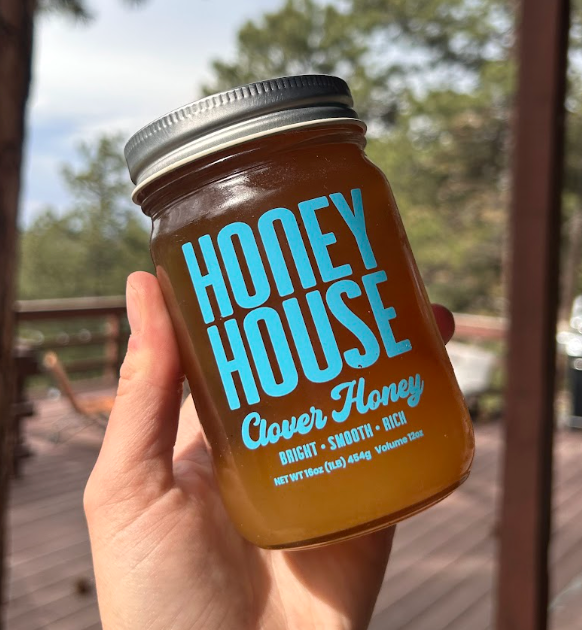
Raw vs. processed: three real differences
Unfiltered
Commodity honey is often ultra-filtered until nothing of the hive remains. Raw honey is only strained, so natural pollen and fine texture stay in the jar.
Never overheated
High-heat processing makes honey easier to pump and bottle — and flattens its flavor. Raw honey stays below hive temperature, so it tastes the way it did in the comb.
Varietal character
Blended, processed honey is built to taste the same everywhere. Raw single-varietal honey tastes like one bloom in one place — clover and alfalfa are genuinely different jars.
Raw honey, explained plainly
What 'raw' actually means
Raw means the honey is never heated past the temperature of the hive itself. Unfiltered means it's strained just enough to remove wax and bee parts — not forced through ultra-fine filters that strip out pollen. One ingredient, minimally handled. That's it.
Crystallization is normal
All raw honey eventually crystallizes — the natural sugars settle into crystals over time. It's a sign the honey wasn't overheated, not a sign it went bad. To bring it back to liquid, set the jar in warm (not boiling) water and stir; our rewarming guide walks through it step by step.
Why varietal and source change the flavor
Honey tastes like the nectar the bees foraged. Clover fields make a mild, classic honey; alfalfa runs richer; wildflower shifts with the season. Soil, climate, and bloom all leave a fingerprint — which is why honey from one field in Colorado doesn't taste like honey from anywhere else.
What 'single-origin' actually means
Big brands blend harvests from many sources into one uniform flavor. A single-origin Limited Harvest is the opposite: one beekeeper, one place, one harvest, bottled in a small run. Nothing gets averaged away, so each batch keeps its own character — like single-vineyard wine instead of a house blend.
Where raw honey earns its keep
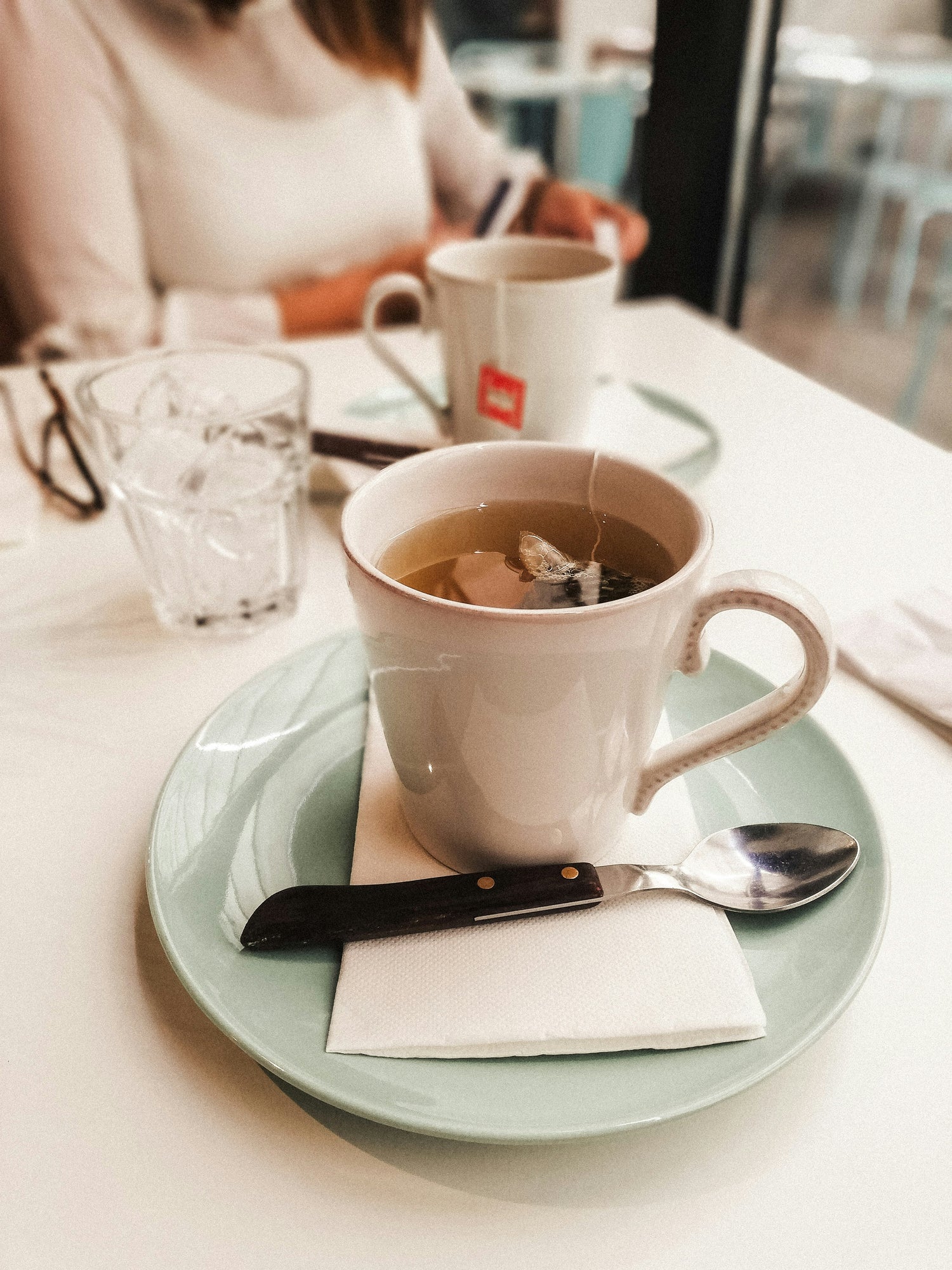
Tea
Stir it into tea that's warm, not boiling, and the varietal flavor comes through instead of disappearing into plain sweetness.
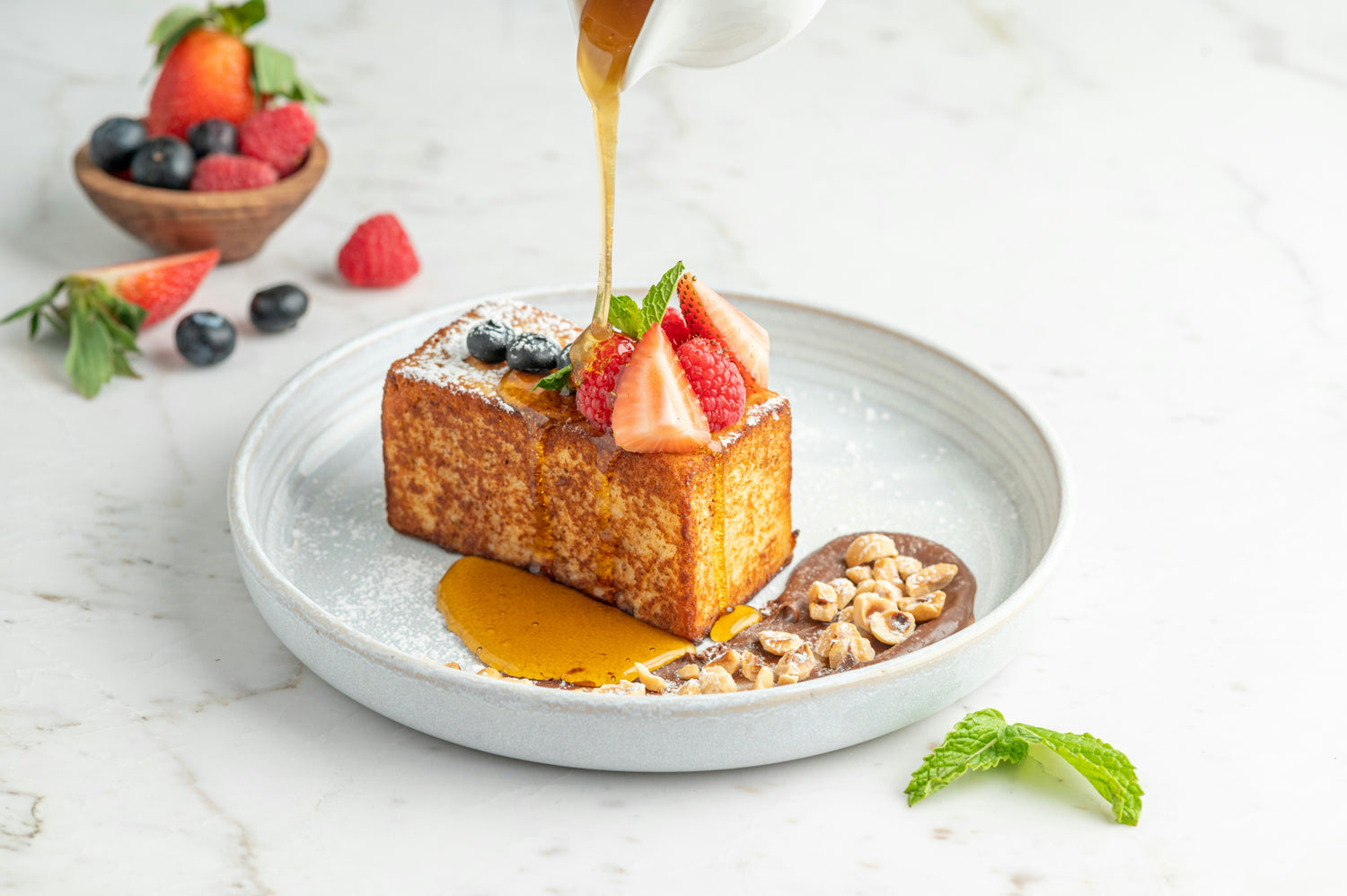
Baking
The simplest honesty test: butter, warm bread, and a drizzle. Raw honey's flavor stands up where processed honey just tastes sweet.
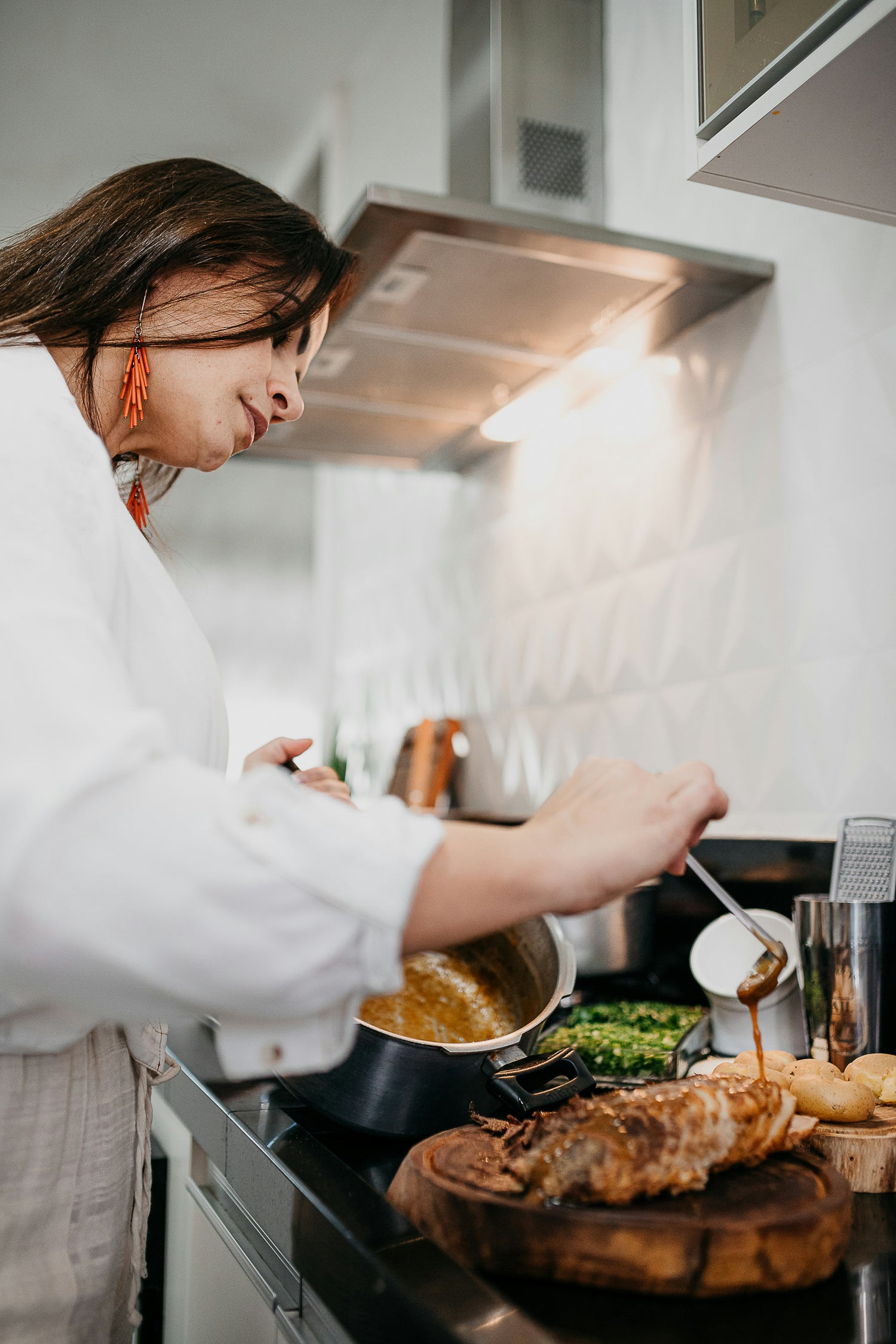
Cooking
Glazes, dressings, marinades, and baking — swap it in for sugar or syrup and the finished dish picks up real floral depth.
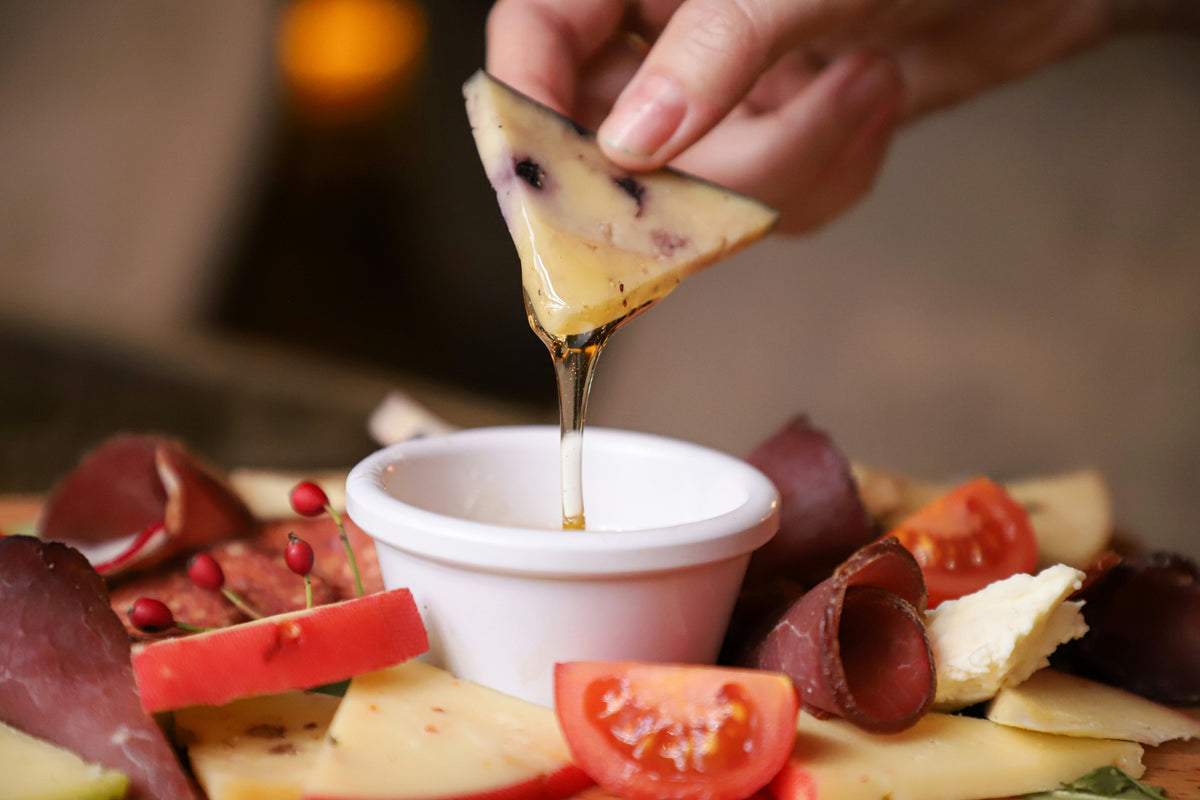
Cheese boards
A small dish of raw honey next to sharp cheddar, blue, or brie is the fastest way to taste what varietal character means.
Taste the difference
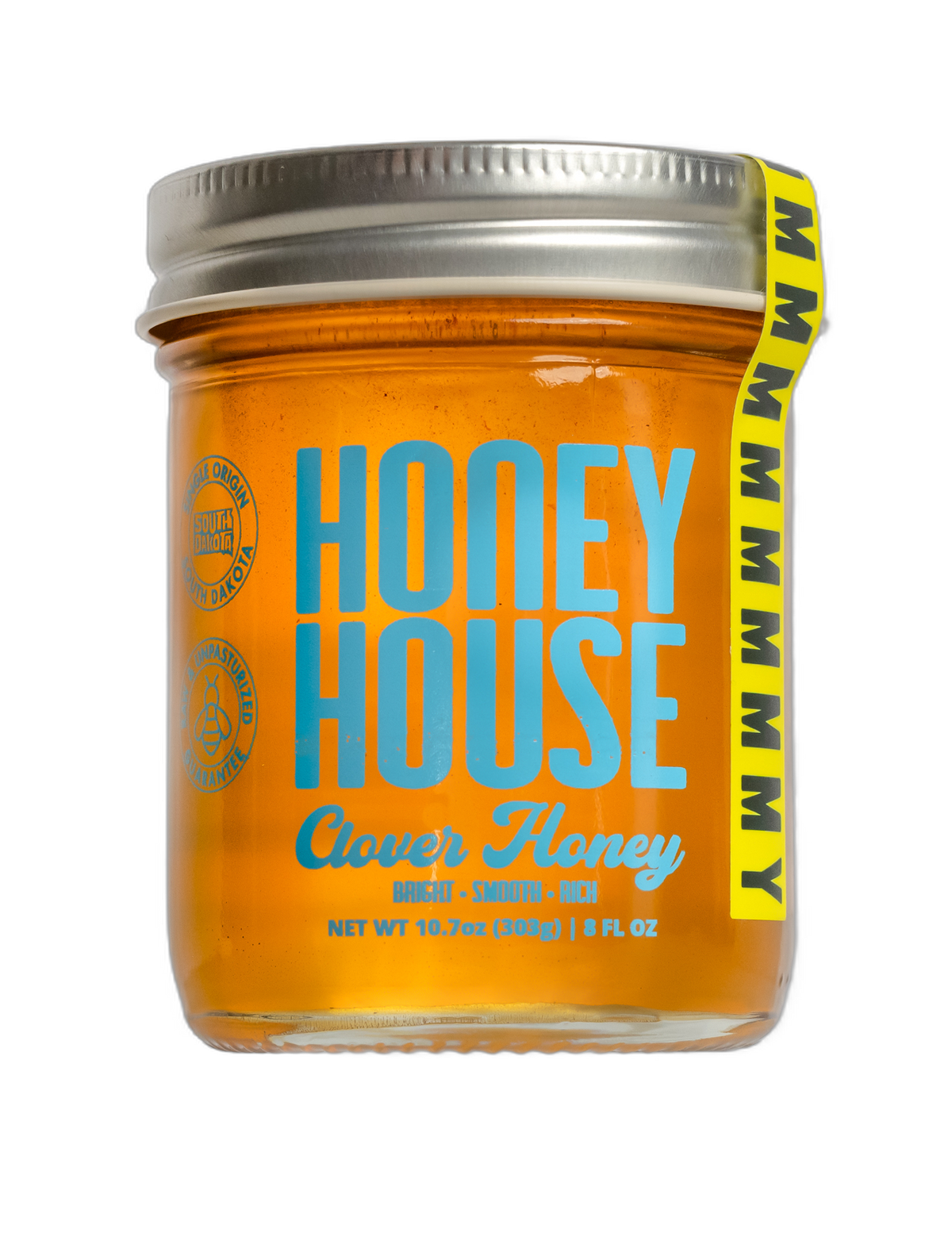
Clover HoneyRaw, Unfiltered & Naturally Non-GMO
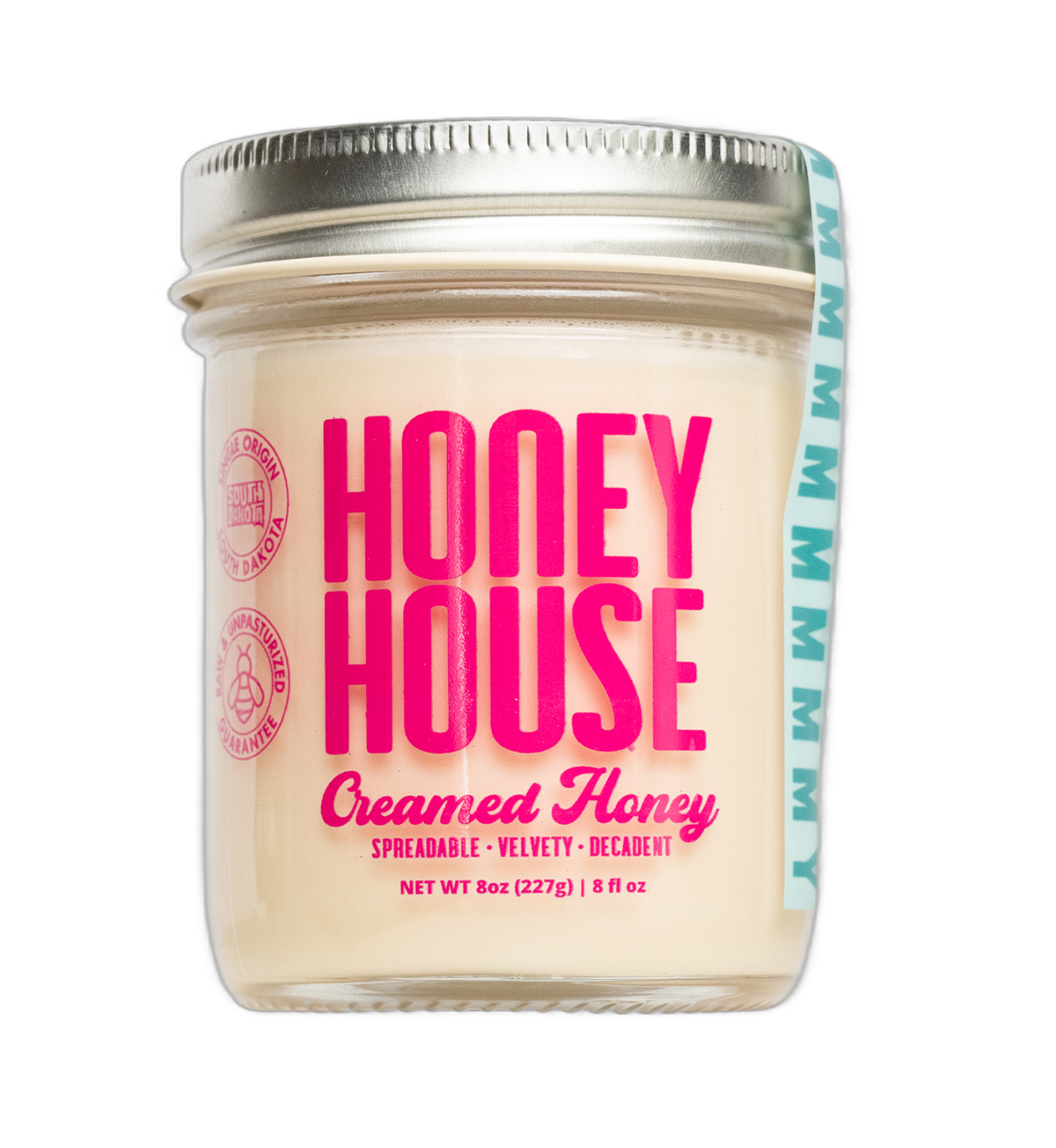
Creamed HoneySmooth, Spreadable & Naturally Non-GMO
Raw honey questions, answered straight
Is raw honey safe to eat?
Raw honey is a food people have eaten for thousands of years, and it's sold as such — strained of wax, one ingredient on the label. The one firm rule: honey of any kind, raw or processed, is not for children under 1 year of age.
Why does raw honey crystallize?
Honey's natural sugars gradually form crystals over time — faster in cool pantries and in certain varietals. It's completely normal and the honey is still good. Warm the jar gently in warm water to re-liquefy it; never microwave or boil it.
What's the difference between raw honey and organic honey?
They're different labels measuring different things. Raw describes how the honey is handled after harvest — not overheated, not ultra-filtered. Organic describes how the land the bees forage is certified. A honey can be raw, organic, both, or neither; raw is about processing, organic is about farming.
Does darker honey mean better quality?
No — color signals varietal, not quality. Clover honey runs light and mild; buckwheat runs dark and bold. Light and dark honeys can both be excellent raw honeys; the color just tells you what the bees were foraging.
Does raw honey go bad?
Sealed and stored at room temperature, honey keeps essentially indefinitely — it may crystallize or deepen in color, but that's a texture and appearance change, not spoilage. Keep the lid tight and a dry spoon in the jar and it will outlast the pantry around it.
Is filtered honey fake honey?
Not necessarily — filtered honey can still be 100% honey. The difference is what's left: ultra-filtering and high heat strip out pollen and mute varietal flavor, which is how blended honey ends up tasting the same in every bottle. Raw honey simply skips those steps.
Join the Mailing List
Plain-English honey education, varietal tasting notes, and a heads-up when new single-origin batches land.