
Kitchen guide
Honey to Sugar Conversion - Replace Sugar in Cooking with Natural Honey
Looking to substitute sugar with honey in your baking and cooking? This comprehensive honey to sugar conversion guide makes it easy to replace refined sugar with natural honey in all your favorite recipes. Learn the exact measurements, essential adjustments, and expert tips for perfect results every time.
Are you looking to swap refined sugar for nature's sweetener? Whether you're seeking a more natural alternative or love the distinct flavor that honey brings to baked goods, converting sugar to honey in your recipes is simpler than you might think. At Honey House, we've created this comprehensive guide to help you successfully replace sugar with honey in all your favorite recipes.
Understanding Honey as a Sugar Substitute
Honey isn't just a sweeter choice – it's a smarter one. As a natural sweetener, honey brings unique properties to your baking that sugar simply can't match. Each golden drop carries subtle flavor notes, the character of the bloom it came from, and natural moisture-holding properties that can enhance your recipes while reducing the need for refined sugars.

The measurements
Honey to Sugar Conversion Chart
| If the recipe calls for | Use this much honey |
|---|---|
| 1/4 cup sugar | 3 tablespoons honey |
| 1/3 cup sugar | 3 tablespoons + 1 teaspoon honey |
| 1/2 cup sugar | 1/3 cup honey |
| 1 cup sugar | 3/4 cup honey |
| 2 cups sugar | 1 1/2 cups honey |
Essential Recipe Adjustments When Baking with Honey
When substituting honey for sugar in your recipes, keep these crucial adjustments in mind:
Liquid Adjustments
Because honey adds moisture to your recipes, you'll need to reduce other liquids:
- Reduce recipe liquids by 1/4 cup for each cup of honey used
- For recipes using less than 1 cup honey, reduce liquids by 1-2 tablespoons
Temperature Considerations
Honey browns faster than sugar, so protect your baked goods by:
- Reducing oven temperature by 25°F
- Watching baking time carefully – items might cook faster
- Using light-colored baking pans to prevent over-browning
Why Choose Honey Over Sugar?
Why bakers reach for honey
- Acts as a natural preservative, helping baked goods stay fresh longer
- Carries the aroma and character of the bloom it came from
- Provides subtle flavor complexity that sugar can't match
- Offers better moisture retention in baked goods
Baking Advantages
- Creates a softer, more tender crumb in cakes and breads
- Helps keep baked goods fresher for longer
- Adds natural color and caramelization
- Provides better browning in breads and rolls
Tips for Baking Success with Honey
Measuring Tips
- Spray measuring cups with cooking oil before measuring honey
- Use liquid measuring cups for more accurate measurements
- Keep honey at room temperature for easier measuring
Storage Recommendations
- Store honey at room temperature
- Keep tightly sealed to prevent absorption of moisture
- Avoid refrigeration as it can cause crystallization
Shop Best Sellers
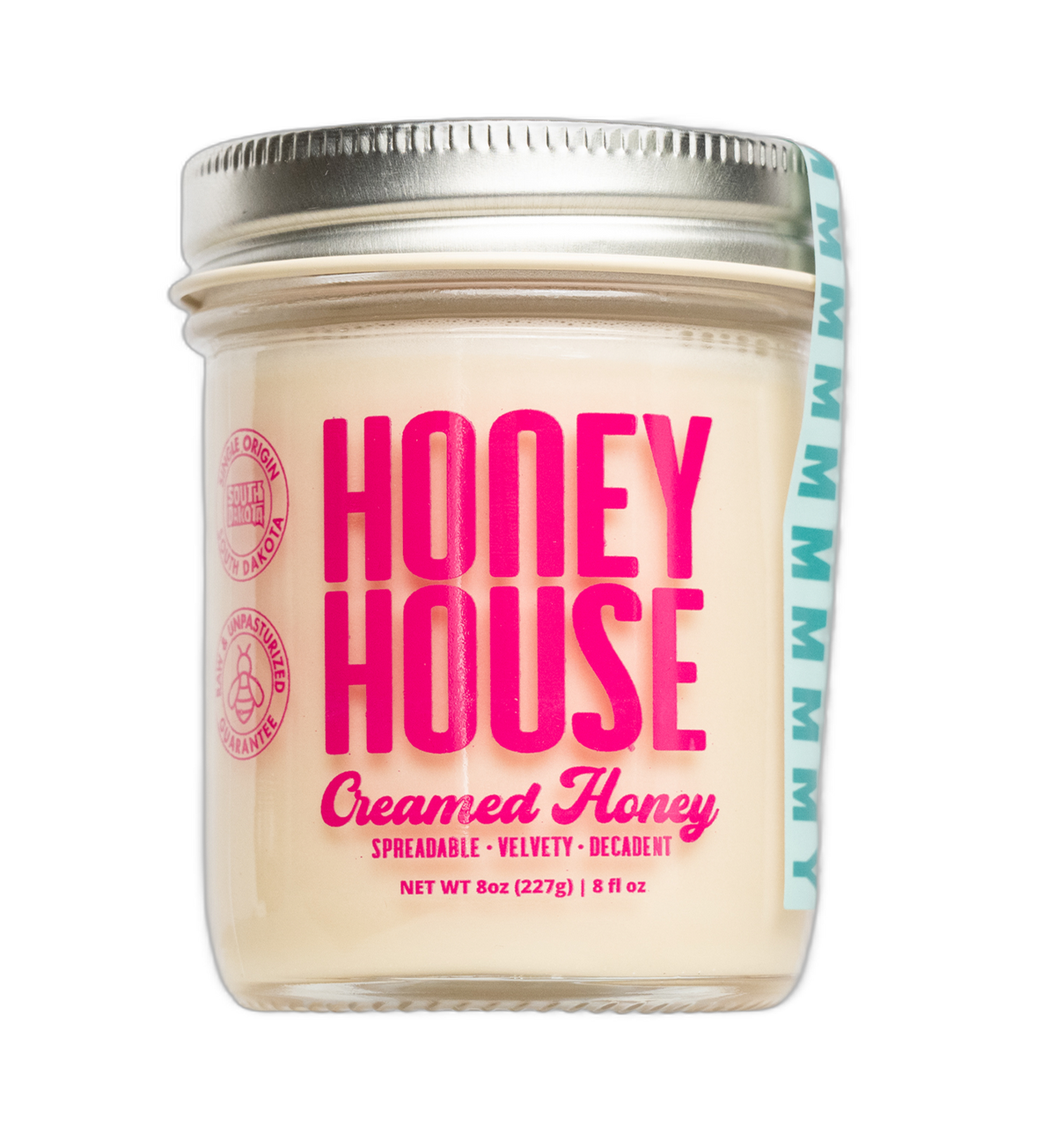
Creamed HoneySmooth, Spreadable & Naturally Non-GMO
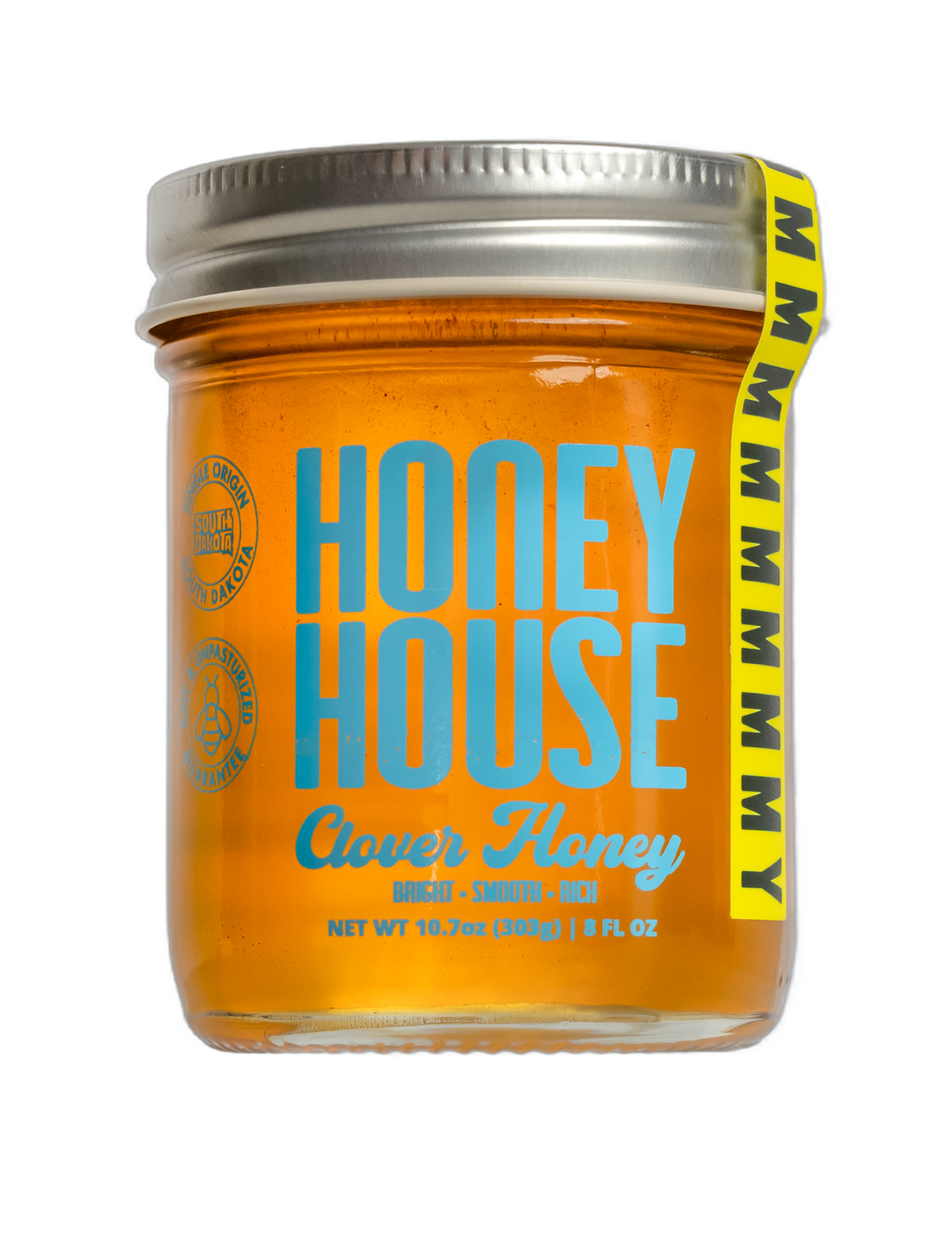
Clover HoneyRaw, Unfiltered & Naturally Non-GMO
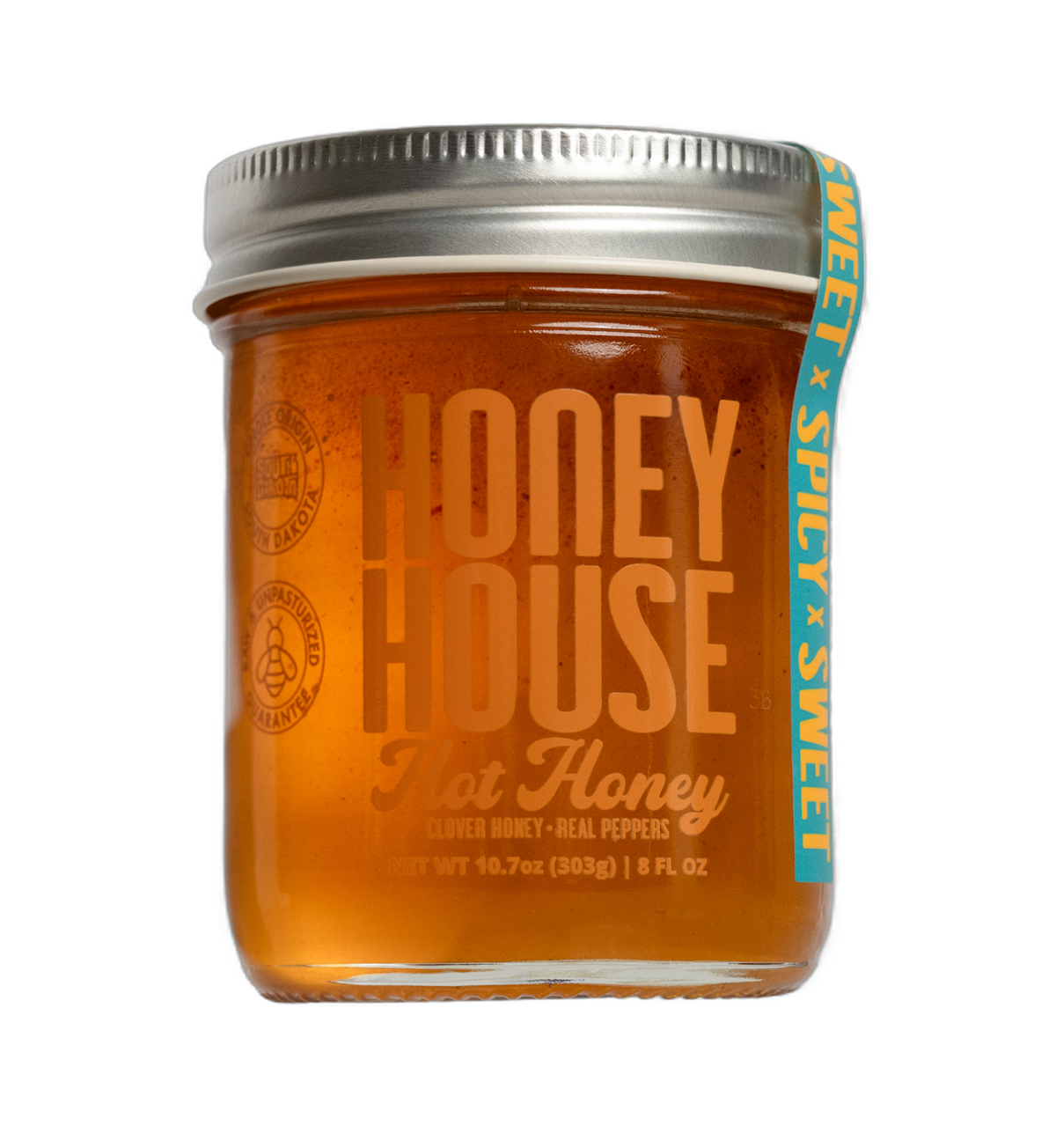
Hot HoneyRaw, Unfiltered & Naturally Non-GMO
Common Questions about Baking with Honey
Will my baked goods taste like honey?
While honey adds subtle flavor notes, it won't overwhelm your baked goods. The intensity depends on the type of honey used – lighter varieties provide milder flavor, while darker honey varieties offer more robust taste.
Can I substitute honey in every recipe?
While honey works well in most recipes, it may not be suitable for certain types of candy making or recipes that rely on sugar crystallization, like traditional buttercream frostings.
How does honey affect texture?
Honey creates moister, denser baked goods. This makes it perfect for breads and cakes but may require adjustments for recipes where a crisp texture is desired.